

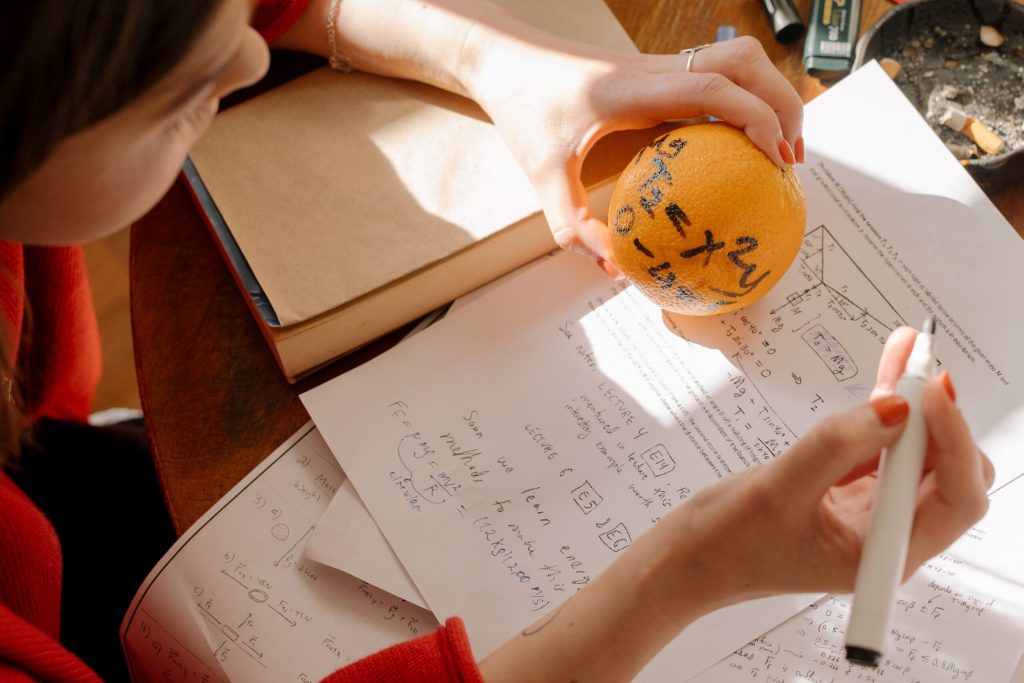
Preparing for the 11 Plus mathematics examination requires a multifaceted approach, incorporating various strategies to build a strong foundation in arithmetic, enhance problem-solving skills, and develop mental maths capabilities.
To tackle 11 Plus mathematics successfully, it is essential to adopt a range of strategies that address different areas of the curriculum.
This article will explore these strategies, offering insights into how they can help students master the subject.

Mastering Basic Arithmetic

A strong foundation in basic arithmetic is crucial for success in 11 Plus mathematics. This includes proficiency in addition, subtraction, multiplication, and division. Students should practice these operations regularly to increase their speed and accuracy. Using timed exercises can help simulate exam conditions and improve performance under pressure.
Understanding number bonds, multiplication tables, and division facts is also beneficial, as these elements form the backbone of more complex mathematical problems. By mastering basic arithmetic, students can tackle a variety of questions with confidence and ease.
Developing Problem-Solving Skills
Problem-solving is at the heart of the 11 Plus mathematics exam. To enhance these skills, students should engage in regular practice with a variety of word problems. This helps them learn to identify relevant information, formulate a plan, and execute the necessary calculations.
Encouraging students to break down problems into smaller, more manageable steps can make complex questions less daunting.
Additionally, teaching them to look for patterns and relationships between numbers can provide valuable shortcuts and insights. Problem-solving practice not only boosts mathematical reasoning but also builds resilience and perseverance.
Strengthening Mental Maths
Mental maths is another vital component of the 11 Plus mathematics examination. Developing the ability to perform calculations mentally saves time and increases efficiency during the test.
Techniques such as visualisation, estimation, and the use of mathematical properties (e.g., distributive property) can enhance mental arithmetic skills.
Daily practice with mental maths questions and quick quizzes can significantly improve students’ ability to think on their feet. This strategy is particularly useful for answering multiple-choice questions where speed and accuracy are paramount.
Practising Past Papers
Working through past papers is an excellent way to prepare for the 11 Plus mathematics exam. This familiarises students with the format and types of questions they are likely to encounter. It also helps identify areas where they may need further practice or clarification.
By timing themselves while completing past papers, students can develop effective time management skills, ensuring they allocate sufficient time to each question during the actual exam. Reviewing their answers and understanding any mistakes made is crucial for continuous improvement and boosting overall confidence.
Utilising Educational Resources
There is a wealth of educational resources available to support 11 Plus mathematics preparation. Textbooks, workbooks, and online platforms offer practice questions, interactive exercises, and video tutorials that can reinforce learning. Utilising these resources allows students to explore different explanations and methods, catering to various learning styles.
Many online platforms also provide personalised learning experiences, adapting to the student’s pace and progress. Access to a range of materials ensures a comprehensive understanding of all mathematical topics covered in the 11 Plus curriculum.
Seeking Extra Support

Sometimes, additional support is needed to master certain mathematical concepts. Engaging a tutor can provide personalised guidance and targeted instruction to address specific areas of difficulty. Group study sessions with peers can also be beneficial, as discussing problems and solutions collaboratively can enhance understanding.
Parents can play a supportive role by encouraging regular study routines and providing a conducive learning environment at home. Seeking extra support ensures that students receive the necessary help to overcome challenges and achieve their full potential.
Building Mathematical Confidence
Confidence plays a significant role in a student’s ability to perform well in mathematics. Encouraging a positive mindset towards the subject can make a substantial difference. Celebrating small successes, setting achievable goals, and providing positive reinforcement can boost a student’s self-esteem and motivation.
Teaching students to approach mistakes as learning opportunities rather than failures fosters a growth mindset. Building mathematical confidence ensures that students approach the 11 Plus exam with a positive attitude, ready to tackle any challenge that comes their way.
Common Challenges in 11 Plus Mathematics
Numerical Operations and Calculations
One of the most frequent hurdles in 11 Plus mathematics is mastering numerical operations and calculations. The curriculum demands proficiency in basic arithmetic, including addition, subtraction, multiplication, and division. However, the complexity often escalates with multi-step problems and the need for quick, accurate calculations under time constraints.
To overcome this challenge, students should focus on regular practice and revision of fundamental arithmetic operations. Using worksheets, online practice tools, and interactive games can help reinforce these skills. Additionally, timed practice sessions can help students get used to solving problems quickly and accurately, mirroring the exam conditions.
Understanding and Applying Mathematical Concepts

Another common difficulty is grasping and applying various mathematical concepts. This includes understanding fractions, decimals, percentages, and ratios. These concepts often require a deeper level of comprehension and the ability to apply them in different contexts, which can be confusing for some students.
To address this issue, students should engage with concept-based learning rather than rote memorisation. Utilising visual aids, such as diagrams and models, can make abstract concepts more tangible. Furthermore, practising a variety of problems involving these concepts will help students understand how to apply them in different scenarios.
Tutoring or additional support may also be beneficial for students struggling with specific areas.
Problem-Solving Skills
Problem-solving is a crucial component of the 11 Plus mathematics exam and presents its own set of challenges. Students often struggle with word problems and complex questions that require more than just applying a formula. These problems test a student’s ability to interpret information, devise a strategy, and execute a solution.
Developing strong problem-solving skills requires a structured approach. Encouraging students to break down problems into smaller, more manageable parts can help. Practising a range of problem types and discussing different strategies to approach them will build confidence and improve problem-solving abilities.
Additionally, reviewing past papers and mock exams can provide insight into common problem-solving techniques.
Geometry and Spatial Awareness
Geometry and spatial awareness pose another challenge for many students. This area of the curriculum includes understanding shapes, angles, and spatial relationships, which can be difficult to visualise and manipulate mentally. Problems often require students to apply geometric principles to solve puzzles or answer questions.
To enhance spatial awareness and geometric understanding, students should engage in hands-on activities that involve physical manipulation of shapes, such as drawing, cutting out shapes, and using geometric tools.
Practising with geometry-specific problems and using interactive software or apps that offer virtual manipulation of shapes can also be beneficial. Regular exposure to various geometric concepts and problems will build familiarity and improve spatial reasoning skills.
Time Management
Time management is a significant challenge during the 11 Plus mathematics exam. Students often find it difficult to allocate their time effectively across different questions, leading to rushed answers or incomplete responses. This challenge can be exacerbated by the pressure of the exam environment.
To tackle time management issues, students should practice under timed conditions to develop a sense of pacing. Teaching students strategies to quickly identify and tackle easier questions first can help ensure they make the most of their time.
Additionally, developing a systematic approach to answering questions, such as reading instructions carefully and allocating time for review, can improve overall exam performance.
Confidence and Exam Pressure

Finally, confidence and handling exam pressure can greatly influence performance. Many students experience anxiety and self-doubt, which can affect their ability to perform well. Building confidence and learning to manage stress are essential for achieving the best results.
Encouraging a positive mindset and regular practice can help build confidence. Mock exams and practice tests using sample questions can familiarise students with the exam format and reduce anxiety. Teaching relaxation techniques, such as deep breathing exercises, and promoting a balanced study routine can also help manage stress levels effectively.
Summary
One of the key subjects in the 11 Plus examination is mathematics, which requires a solid understanding of various topics and the ability to apply mathematical concepts effectively. By adopting the strategies listed, students can approach the 11 Plus mathematics exam with the knowledge, skills, and confidence needed to succeed.