

Preparing your child for the 11 Plus interview can be a daunting task for any parent. The interview is a crucial part of the selection process for many grammar and independent schools in the UK, assessing not only academic abilities but also the child’s personality, interests, and communication skills.
This guide aims to provide parents with comprehensive tips and strategies to support their children during the preparation phase, ensuring they feel confident and ready for the interview.

Understanding the 11 Plus Interview

The 11 Plus interview typically focuses on understanding the child’s interests, assessing their general knowledge, and gauging their ability to think critically and articulate their thoughts. It is important to familiarise yourself with the specific format and expectations of the school your child is applying to. Some schools may have a more formal interview setting, while others might conduct a more relaxed and conversational assessment.
Building Confidence and Communication Skills
Confidence plays a significant role in how a child presents themselves during the interview. Encouraging your child to express their thoughts clearly and confidently is essential. You can start by engaging them in regular conversations about their day, their interests, and current events. This practice helps in developing their ability to articulate their thoughts and opinions.
Encourage your child to participate in activities that require verbal communication, such as drama clubs, debating societies, or even family discussions. These activities help in improving their public speaking skills and boosting their confidence in expressing themselves in front of others.
Practising Interview Techniques
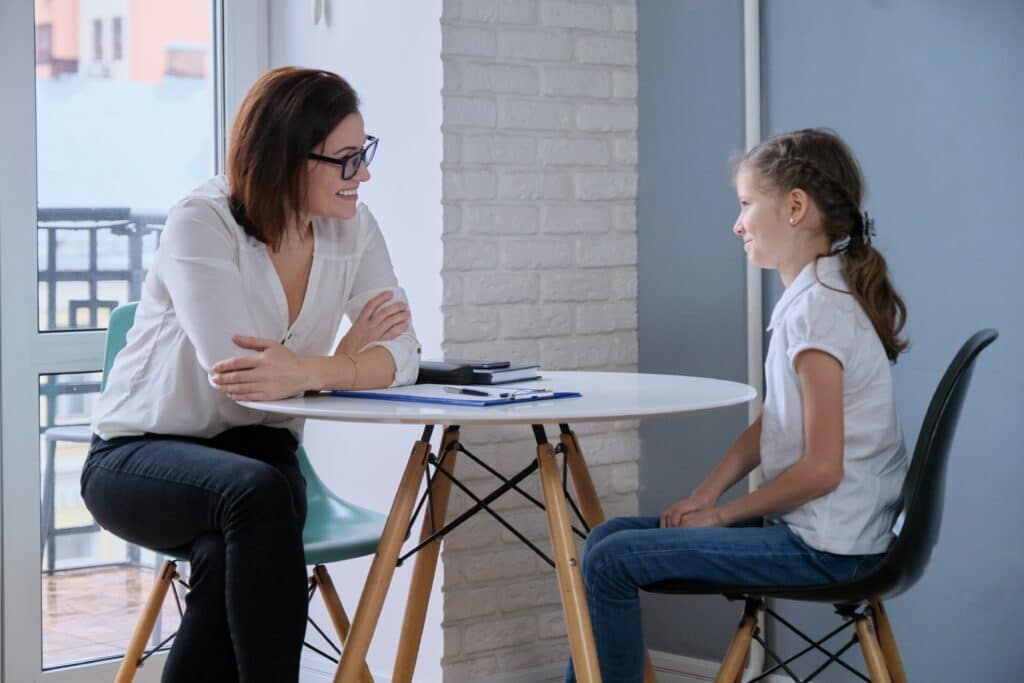
One effective way to prepare your child for the 11 Plus interview is by conducting mock interviews at home. Create a comfortable environment where your child can practise answering common interview questions. Start with simple questions about their hobbies and interests, gradually moving on to more challenging questions that require critical thinking and problem-solving skills.
Provide constructive feedback on their responses, focusing on areas such as clarity, coherence, and confidence. However, it is important to maintain a positive and encouraging tone to ensure your child does not feel pressured or anxious.
Encouraging a Well-Rounded Knowledge Base

A well-rounded knowledge base can significantly benefit your child during the interview. Encourage them to read widely, covering a range of subjects including literature, science, history, and current affairs. Discussing what they have read can help reinforce their understanding and improve their ability to discuss these topics confidently during the interview.
In addition to academic knowledge, schools often look for candidates who demonstrate curiosity and enthusiasm for learning. Encourage your child to pursue their interests and hobbies, whether it’s playing a musical instrument, engaging in sports, or exploring creative arts. These activities not only enrich their knowledge but also provide interesting talking points during the interview.
Managing Nerves and Anxiety
It is natural for children to feel nervous about the 11 Plus interview. Teaching them techniques to manage their nerves can be extremely beneficial. Simple relaxation exercises such as deep breathing can help calm their mind and reduce anxiety.
Another effective strategy is to ensure your child gets plenty of rest the night before the interview and has a nutritious breakfast on the day of the interview. A well-rested and nourished body can significantly impact their ability to think clearly and perform well during the interview.
Do’s for the 11 Plus Interview

Preparation is Key
One of the most important aspects of succeeding in the 11 Plus interview is thorough preparation. This involves understanding the format of the interview, the types of questions that may be asked, and the ethos of the school you are applying to.
It is advisable to practise with mock interviews to build confidence and to receive constructive feedback. Being familiar with current events, basic general knowledge, and having a good grasp of subjects studied in school can also be highly beneficial. Moreover, reading widely and engaging in discussions about books can showcase your critical thinking and comprehension skills.
First Impressions Matter
First impressions are crucial in any interview, and the 11 Plus interview is no exception. Arriving on time, dressed smartly, and being polite to everyone you meet can set a positive tone from the start. A firm handshake, good posture, and making eye contact can convey confidence and respect.
Introducing yourself with a smile and showing enthusiasm for the opportunity can make a significant difference. It is also essential to remember basic manners, such as saying “please” and “thank you,” which reflect your upbringing and character.
Listening and Responding Thoughtfully
Listening carefully to the interviewer’s questions and responding thoughtfully is another key to success. It is important to answer questions directly and to the best of your ability, providing examples where possible to illustrate your points.
If you do not understand a question, do not hesitate to ask for clarification. Taking a moment to think before answering can demonstrate that you are considering your response carefully. Furthermore, showing curiosity by asking relevant questions about the school or the curriculum can indicate your genuine interest and engagement.
Being Yourself
Authenticity is valued in the 11 Plus interview process. While it is important to present yourself well, trying to be someone you are not can be easily detected and may work against you. Be honest about your interests, strengths, and areas where you are working to improve.
Sharing your passions and hobbies can make you more relatable and memorable. Being yourself also means speaking naturally and not memorising answers, which can come across as rehearsed and insincere. Trust that your unique qualities and experiences are enough to make a positive impression.
Don’ts for the 11 Plus Interview

Avoid Overconfidence
While confidence is important, overconfidence can be detrimental in an interview setting. It is crucial to strike a balance between showcasing your abilities and being humble. Boasting about achievements or appearing arrogant can be off-putting to interviewers.
Instead, focus on conveying your accomplishments modestly and acknowledging the support you have received from teachers, family, and friends. This demonstrates not only your capabilities but also your appreciation of others.
Do Not Underestimate the Importance of Body Language
Non-verbal communication plays a significant role in how you are perceived during an interview. Slouching, avoiding eye contact, or fidgeting can convey nervousness or a lack of interest.
On the other hand, sitting up straight, maintaining appropriate eye contact, and using hand gestures can enhance your verbal responses. Being mindful of your body language and practising with someone can help you become more aware and make necessary adjustments.
Avoid Giving Vague or Off-Topic Answers
It is important to stay focused and provide clear, concise answers to the questions asked. Giving vague or rambling responses can confuse the interviewer and weaken your overall presentation.
If you are unsure about how to answer a question, it is better to ask for a moment to think or request clarification rather than guessing or going off on a tangent. Staying on topic and addressing the question directly shows that you are attentive and articulate.
Do Not Let Nerves Take Over
Feeling nervous before and during an interview is natural, but letting nerves take over can hinder your performance. Practising relaxation techniques, such as deep breathing, visualising a positive outcome, and rehearsing with a trusted adult, can help manage anxiety.
It is also helpful to remember that interviewers understand that students may be nervous and are often looking for potential rather than perfection. Being well-prepared and focusing on the interview as a conversation rather than an interrogation can make the experience less daunting.
Summary
Preparing your child for the 11 Plus interview involves a combination of building their confidence, enhancing their communication skills, expanding their knowledge base, and managing their nerves. By providing consistent support and encouragement, you can help your child approach the interview with a positive mindset and perform to the best of their abilities.
Remember, the goal is not only to prepare them for the interview but also to help them develop skills that will benefit them in the future.