


The 11 Plus can be a pivotal moment in a child’s academic journey, and selecting the right tutor can make all the difference. With so many options available, the process can feel a little daunting. But with a clear understanding of what to look for, you can confidently choose a tutor who not only understands the exam requirements but also brings out the best in your child.
Here’s a closer look at the key factors that truly matter when making this important decision.

Experience with the 11 Plus Specifically

Not all tutors are created equal, and experience with the 11 Plus is non-negotiable. A tutor who has worked specifically with 11 Plus content will be familiar with the format of the papers, the differences between exam boards, and the particular skills children need to succeed.
They’ll know which areas are often underestimated, such as timing strategies or non-verbal reasoning techniques, and will be able to tailor their approach accordingly. Whether they’ve worked with children entering grammar schools, independent schools, or both, this niche experience is what separates a general tutor from a truly effective one.
A Personalised and Adaptive Teaching Style
Every child is different, and the best tutors recognise that. A one-size-fits-all approach simply won’t do when preparing for the 11 Plus. A good tutor will take the time to understand how your child learns best, whether they’re a visual learner, someone who thrives with verbal explanations, or they prefer hands-on problem solving.
They’ll adapt their methods and pace to suit your child’s strengths while also gently addressing areas that need more support. This kind of personalised attention not only boosts confidence but also encourages a more meaningful and lasting understanding of the material.
Proven Track Record and Testimonials
While every child’s journey is unique, a tutor’s track record can offer useful insight. You’re not just looking for someone who has taught a few children. You want someone who has helped pupils gain entry into the very schools you’re targeting.
Testimonials from other parents, success stories, or verifiable pass rates can speak volumes. It’s not just about numbers, though; glowing reviews about how a tutor built rapport with their students, kept them motivated, or turned nerves into confidence can be just as valuable.
Engaging Delivery and Encouraging Demeanour
Let’s face it, preparing for the 11 Plus can sometimes feel like a bit of a slog. A tutor who brings energy, warmth, and humour into their sessions can transform what could be a stressful experience into something a child actually looks forward to.
When a tutor is genuinely enthusiastic and encouraging, it creates a positive learning environment where children feel safe to ask questions and make mistakes. And when enjoyment is part of the process, children are much more likely to stay committed and absorb what they’re learning.
Familiarity with Current Exam Formats and Materials
The 11 Plus isn’t static; formats evolve, schools change their assessment methods, and new question styles emerge. A well-informed tutor keeps up with these developments and adjusts their materials and methods accordingly.
They should be comfortable working with past papers, sample questions, and even online platforms if necessary. This ensures that your child is practising with relevant and up-to-date material, which can boost their confidence and performance on exam day.
Clear Communication with Parents

Good tutors don’t operate in a bubble. They know that parent-tutor communication is key. Whether it’s regular progress updates, honest feedback about where your child stands, or suggestions for additional work at home, a great tutor will keep you in the loop. This transparency not only builds trust but also helps you support your child’s learning journey more effectively.
Flexibility and Reliability
Consistency is essential when it comes to 11 Plus preparation, so finding a tutor who’s reliable and punctual is a must. However, life happens, and flexibility matters too, whether that’s offering online sessions when needed, being open to schedule changes, or adapting to your child’s changing needs. A tutor who can strike that balance between structure and understanding is worth their weight in gold.
How to Find a Tutor Who Matches Your Child’s Needs
Whether you’re looking to build their confidence, address a specific subject gap, or prepare for an important exam, a tutor who understands your child’s unique needs can make all the difference.
The key lies in matching their learning style, personality, and goals with someone who not only knows the material but also connects with them on a personal level.
Understanding What Your Child Really Needs
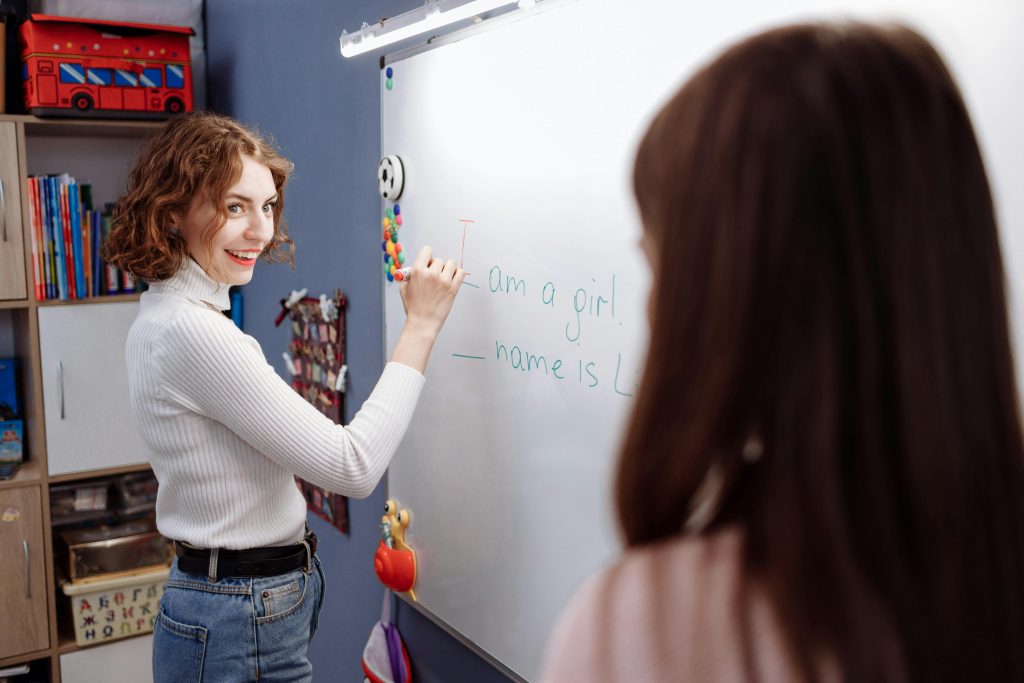
Before you even begin your search, it’s important to clarify why you’re looking for a tutor in the first place. Is your child struggling in a particular subject, or are they already doing well and looking to stretch further? Are they preparing for entrance exams, or simply in need of better study habits?
Identifying the purpose of tuition helps you filter potential tutors more effectively. At this stage, involving your child in the conversation can be incredibly helpful. They’re more likely to respond positively to tutoring if they feel heard and understood from the beginning.
The Importance of Learning Styles and Personality Fit
Children learn in all sorts of different ways. Some are visual learners, some absorb information through discussion, while others prefer hands-on practice.
A good tutor will adapt their teaching to suit how your child learns best, and this adaptability is just as important as their qualifications. Don’t be afraid to ask potential tutors how they cater to different learning styles.
Equally, consider personality. A tutor who is too rigid or formal might not click with a more relaxed or creative child. On the other hand, a bubbly tutor may not sit well with a child who prefers a calm and focused environment.
The goal is to find someone who can strike the right tone and create a safe space for learning and growth.
Qualifications Matter, But So Does Experience
It’s easy to be drawn in by impressive academic credentials, but real-world experience often speaks louder than a degree certificate. Tutors who have worked with children at the same age or level as your own will likely have a deeper understanding of common struggles and how to overcome them.
Experience also tends to come with flexibility. A seasoned tutor can adjust mid-lesson if something isn’t working, or bring in new methods to keep things interesting.
Still, it’s worth checking their background, asking for references, and looking at reviews if available. A track record of success can give you confidence, but it shouldn’t overshadow their ability to connect with your child.
Trial Sessions and Gut Feelings

Many tutors offer a trial session, and it’s wise to take them up on it. Watching how your child interacts with the tutor during this first meeting can be incredibly telling.
Are they engaged, comfortable, and willing to ask questions? Does the tutor offer encouragement and constructive feedback?
Sometimes, your instinct as a parent will tell you more than any CV can. A tutor who puts your child at ease while still keeping them focused is usually a good sign that you’ve found a solid match.
Flexibility, Availability, and Communication
Practical matters like schedule compatibility, location (or willingness to teach online), and fees are also worth discussing early on. Consistency plays a big role in how effective tutoring is, so finding someone whose availability aligns with your weekly routine is essential.
You’ll also want to think about how the tutor communicates, not just with your child, but with you. A tutor who provides regular updates on progress, areas for improvement, and even small wins can help you stay involved and informed without micromanaging the sessions.
Making the Decision and Reassessing Over Time
Once you’ve found a tutor who ticks all the boxes, it’s still important to review how things are going as time progresses. A great fit today may need adjustments a few months down the line, especially as your child’s needs evolve.
Keep the lines of communication open with both your child and the tutor. Celebrate progress, address challenges together, and be willing to pivot if the match no longer feels quite right.
Summary
Choosing the right tutor for the 11 Plus isn’t just about finding someone who knows the material. It’s about finding someone who can connect with your child, understand their individual needs, and guide them through the process with skill and empathy.
When you find the right fit, it’s not just preparation for a test. It’s a boost in confidence, a deepened love for learning, and a solid foundation for future success.