
What your child actually needs to learn
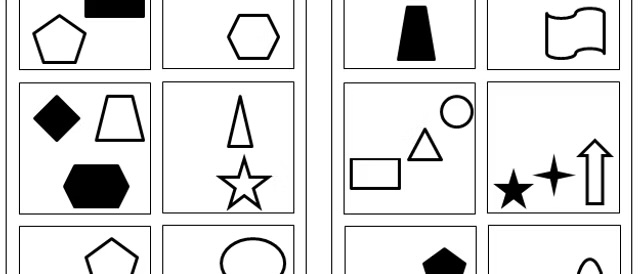
Non-verbal reasoning is not simply “spot the pattern”. Children need a systematic way to test changes in shape, number, position, direction, shading and symmetry. The best resources make those transformations explicit and then build speed.
1. Bond 11+ Non-Verbal Reasoning
Bond assessment and practice books provide graded exposure to common visual question types. They work well for repeated practice once the child understands the underlying method.
2. CGP 11+ Non-Verbal Reasoning
CGP is useful for explanations and illustrated examples. It suits children who need to understand why an answer works before completing larger sets.
3. Schofield & Sims 11+ Non-Verbal Reasoning
A strong option for methodical teaching and topic-by-topic progression, particularly when a child needs more structured support than a paper-only pack provides.
4. Letts 11+ Non-Verbal Reasoning practice
Useful as an additional source of timed questions after the main techniques have been learned.
5. Official GL Assessment familiarisation
Essential if the target school uses GL Assessment. Official material helps children understand the exact layout, instructions and answer method, even though the limited number of questions means it should be used strategically.
6. 11 Plus Blocks non-verbal reasoning practice
Useful for short digital practice and repeated exposure to visual patterns. Digital work can help keep sessions varied, especially between longer paper exercises.
7. Atom Learning
Adaptive visual reasoning can be useful for locating weak question types and keeping practice near the child’s current level.
8. Spatial puzzle books
Tangrams, rotation puzzles, nets, symmetry activities and age-appropriate spatial challenges build some of the visual manipulation skills that NVR requires without making every session feel like an exam.
9. Full mixed mock papers
Use these last. They are best for pacing, switching between question families and coping with test pressure after individual skills are secure.
How to use the materials
Begin untimed and ask the child to explain the change aloud: “the arrow rotates 90 degrees”, “one shape is added”, “the shading alternates”. Then shorten the time gradually.
For verbal reasoning resources, see our full preparation guide. For broader revision books, see our top picks here.