
Best starting choices
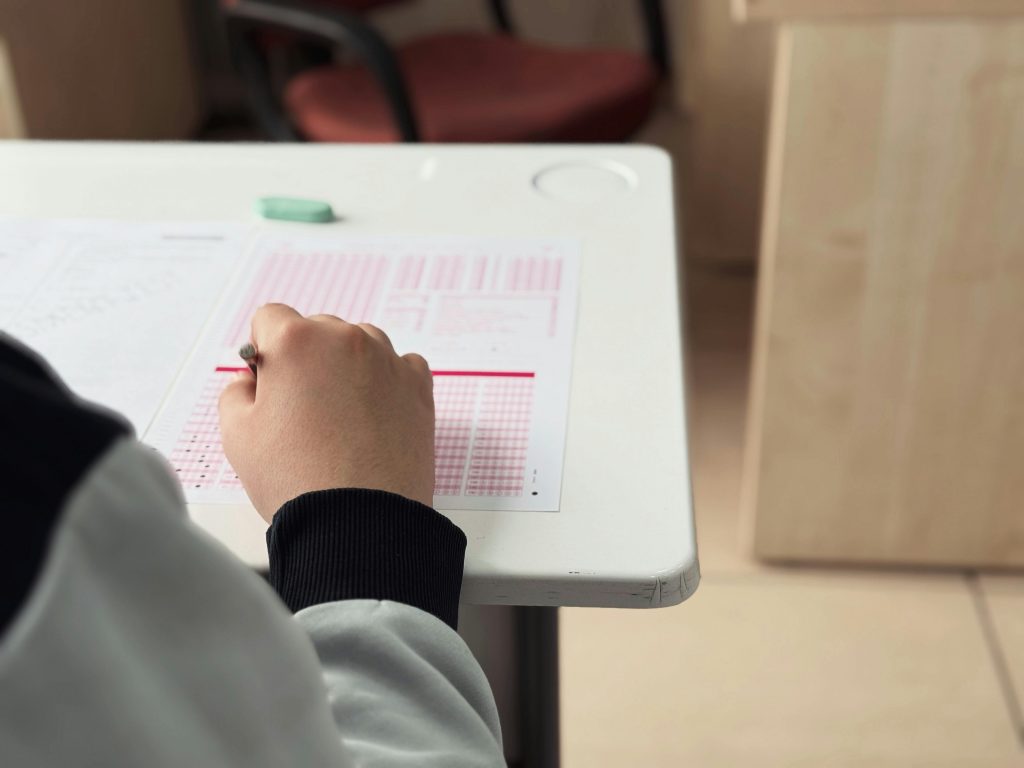
For a first teaching book, Bond, Schofield & Sims or a comparable structured handbook is a sensible starting point. For intensive question practice, add assessment papers. For a GL-style test, include official familiarisation material so the child understands the exact presentation and answer-sheet method.
Verbal reasoning is broad, so one resource rarely does every job equally well.
Comprehensive teaching books
1. Bond 11+ Verbal Reasoning Handbook. A structured introduction to common verbal-reasoning question families.
2. Schofield & Sims 11+ Verbal Reasoning Study and Practice Book. Strong for step-by-step techniques and worked examples.
3. Practise & Pass 11+ Verbal Reasoning. Useful as a staged series moving from learning to timed practice.
4. CGP 11+ Verbal Reasoning Study Book. Accessible explanations and practice for children who prefer a lighter layout.
5. Collins 11+ Verbal Reasoning. A useful alternative teaching source when a child needs more examples.
Practice and assessment books
6. Bond 11+ Verbal Reasoning Assessment Papers Book 1.
7. Bond 11+ Verbal Reasoning Assessment Papers Book 2.
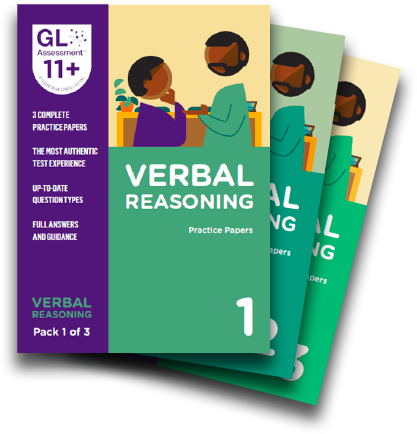
8. GL Assessment Verbal Reasoning familiarisation material.
9. GL-style commercial practice paper packs.
10. Schofield & Sims Verbal Reasoning Progress Papers.
11. CGP 11+ Verbal Reasoning Practice Book.
12. CGP 11+ Verbal Reasoning Practice Papers.
13. Letts 11+ Verbal Reasoning Practice Tests.
14. Collins 11+ Verbal Reasoning Practice Papers.
Vocabulary-focused resources
15. A child-friendly thesaurus. Useful for synonyms, antonyms and shades of meaning.
16. A quality children’s dictionary. Encourage the child to record unfamiliar words from reading and practice.
17. Vocabulary flashcard books or cards designed for 11 Plus preparation.
18. Word-root and morphology resources. Prefixes, suffixes and roots help children infer unfamiliar meanings.
19. Age-appropriate challenging fiction. Reading is not a workbook, but it is one of the best long-term vocabulary resources.
Puzzle and extension resources
20. Word puzzle collections including anagrams, odd-one-out tasks, letter sequences and codes.
21. Mixed reasoning papers that combine verbal and non-verbal sections, useful once question types have been learned separately.
How to choose the right book
First identify the target test. Then give your child a short diagnostic set and classify errors: vocabulary, misunderstanding the question type, weak spelling, slow processing, or careless technique. Choose a book that addresses that cause.
If your child also needs visual reasoning, see our non-verbal materials guide. For broader all-subject books, check out our top picks for 11 Plus revision guides and workbooks.
How to use verbal reasoning books effectively
Do not race through page numbers. Teach one question family, practise it untimed, then mix it with previously learned types. Add timing only after accuracy is stable.
Keep a vocabulary notebook and revisit missed words repeatedly. Verbal reasoning improves when children understand language, not when they memorise only answer patterns.