

The Benefits of Group Study Sessions for 11 Plus Candidates
Preparing for the 11 Plus exam can feel overwhelming for many children. It involves mastering new skills, building confidence, and learning how to manage exam pressure, all at a young age. While individual study has its place, group study sessions offer a powerful and often underused way to support 11 Plus preparation. When structured properly, studying with peers can improve understanding, motivation, and emotional resilience.
Below are the key benefits of group study sessions for 11 Plus candidates and how they contribute to both academic success and personal development.

Encourages Collaborative Learning
Group study allows children to learn from one another rather than relying solely on a tutor or parent. When pupils explain answers in their own words, they reinforce their understanding and help others grasp difficult concepts.
This collaborative learning environment:
- Exposes children to different problem-solving methods
- Strengthens verbal reasoning and communication skills
- Makes complex topics feel less intimidating
For 11 Plus subjects such as maths and verbal reasoning, hearing alternative approaches can help students recognise patterns and avoid repeated mistakes.
Builds Confidence Through Peer Support
Many 11 Plus candidates struggle with self-doubt, especially when they compare themselves to others or feel pressure to perform. Group study sessions help normalise challenges by showing children that everyone finds some topics difficult.
Studying with peers:
- Reduces feelings of isolation
- Encourages healthy discussion rather than silent frustration
- Creates a safe space to ask questions
Over time, this shared experience boosts confidence and helps children feel more comfortable expressing uncertainty and seeking help.
Improves Motivation and Consistency
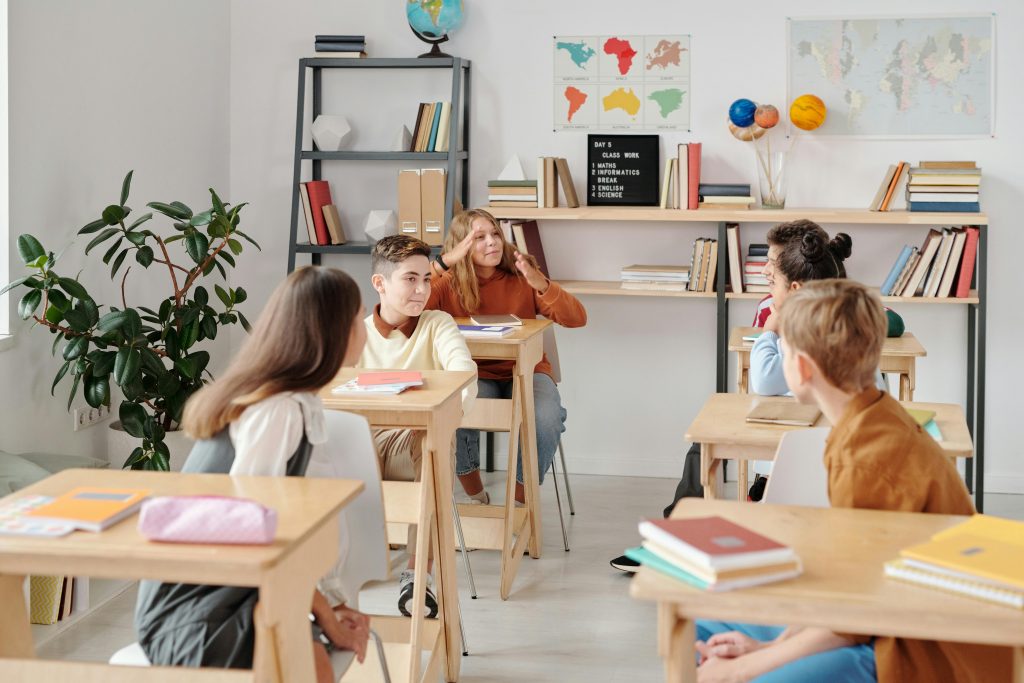
One of the hardest parts of 11 Plus preparation is maintaining regular study habits. Group sessions introduce a sense of routine and accountability. Children are more likely to stay focused when they know others are relying on them to participate.
This structure:
- Makes revision feel more social and less like a chore
- Encourages punctuality and preparation
- Supports long-term consistency in study schedules
Motivation is often higher in group settings because progress feels shared rather than solitary.
Develops Communication and Social Skills
Beyond academics, group study strengthens important life skills. Children practise explaining ideas clearly, listening to others, and working cooperatively. These are skills that will benefit them well beyond the 11 Plus exam.
These sessions help pupils:
- Improve speaking and listening abilities
- Learn how to disagree respectfully
- Gain confidence in group discussions
Such communication skills are especially valuable for interview-based grammar school admissions, where students may need to articulate their thinking under pressure.
Enhances Problem-Solving and Critical Thinking
When children work together on challenging questions, they are exposed to multiple viewpoints. This encourages deeper thinking rather than simply memorising answers.
Group problem-solving:
- Promotes reasoning instead of rote learning
- Helps children analyse mistakes constructively
- Encourages logical explanation of solutions
This approach supports the higher-order thinking required in non-verbal reasoning and complex word problems.
Reduces Exam Stress and Anxiety
Preparing for a high-stakes test like the 11 Plus can create anxiety for both children and parents. Group study sessions provide emotional reassurance by reminding candidates they are not alone in the process.
Shared revision:
- Makes preparation feel less pressured
- Encourages laughter and positive reinforcement
- Creates a balanced atmosphere between learning and wellbeing
A calmer mindset often leads to better focus and stronger performance on exam day.
Supports Different Learning Styles

Not all children learn best in the same way. Some benefit from discussion, others from visual examples, and some from teaching concepts aloud. Group study naturally blends these styles together.
It allows:
- Visual learners to see worked examples
- Auditory learners to hear explanations
- Kinesthetic learners to engage actively with tasks
This variety can make sessions more inclusive and effective for diverse learners.
Encourages Healthy Competition
A well-managed group study environment can foster friendly competition that motivates rather than intimidates. Children may feel inspired to improve when they see peers making progress.
Healthy competition:
- Drives effort without creating pressure
- Helps children set realistic goals
- Builds resilience when facing difficult questions
The key is maintaining a supportive tone that focuses on improvement, not comparison.
How to Make Group Study Sessions Effective
For group study to work well for 11 Plus candidates, structure is essential. Sessions should be focused, time-limited, and guided by clear goals.
Best practices include:
- Keeping groups small (3–6 children)
- Setting specific topics for each session
- Including short breaks to maintain attention
- Rotating who explains answers to promote participation
- Ending with a brief recap of what was learned
This ensures sessions remain productive rather than turning into social gatherings.
Final Thoughts
Group study sessions offer more than just academic benefits for 11 Plus candidates. They build confidence, improve communication, and make preparation more enjoyable and less stressful. When balanced with individual revision and guided support from parents or tutors, group learning can be a valuable part of any 11 Plus study plan.
By learning together, children not only prepare for an exam. They develop skills in teamwork, resilience, and problem-solving that will support their educational journey long after the 11 Plus is over.

