

How to Incorporate Educational Games into 11 Plus Study Routines
Preparing for the 11 Plus can be demanding for both children and parents. Long revision sessions, repeated practice papers, and pressure to perform can quickly lead to fatigue or disengagement. Educational games offer a practical way to reinforce learning while keeping motivation high, making them a valuable addition to an effective 11 Plus study routine.
When used correctly, games do not replace structured study. Instead, they complement it by strengthening core skills, improving retention, and reducing stress.

Why Educational Games Work for 11 Plus Preparation
Educational games support learning in several important ways:
- They encourage active participation rather than passive revision
- They improve memory through repetition without monotony
- They help children practise skills in short, focused bursts
- They reduce anxiety by reframing learning as play
For many children, especially those aged 9–11, games help bridge the gap between understanding a concept and applying it confidently in exam-style questions.
Key 11 Plus Skills That Games Can Support
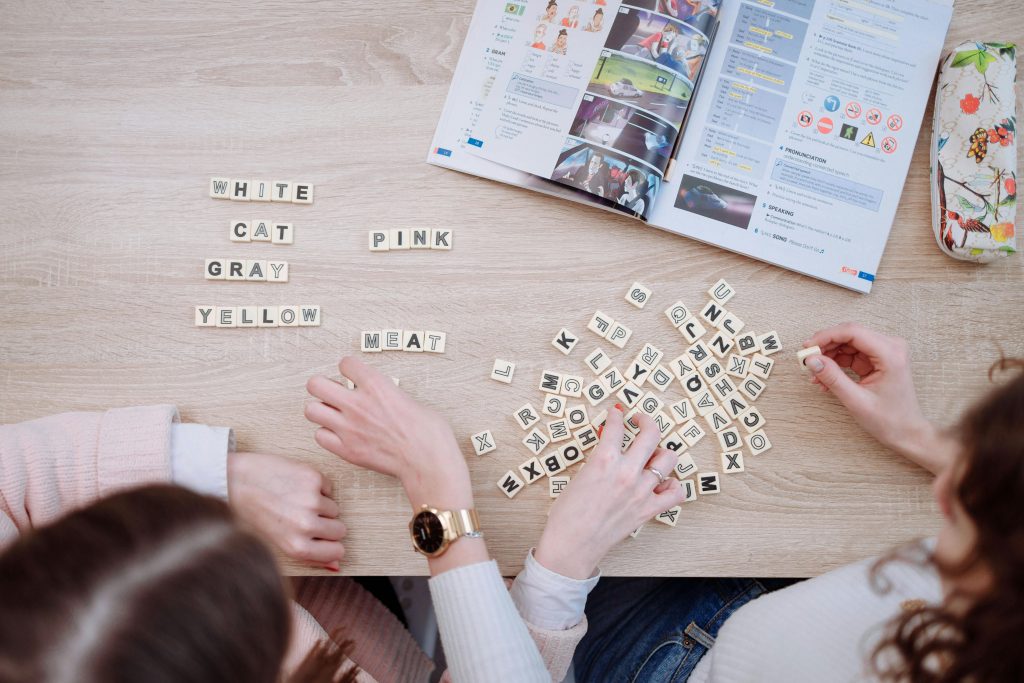
Educational games are particularly effective for reinforcing the core areas tested in the 11 Plus.
Maths Skills
Games can strengthen:
- Mental arithmetic and number bonds
- Times tables and division facts
- Fractions, percentages, and ratios
- Logical problem-solving and sequencing
Fast-paced maths games help build speed and accuracy, which are critical under exam conditions.
Verbal Reasoning and Vocabulary
Word-based games support:
- Vocabulary expansion
- Pattern recognition
- Synonyms, antonyms, and word relationships
- Logical thinking with language
These skills directly translate to verbal reasoning papers, where familiarity with words and patterns is essential.
Non-Verbal Reasoning
Visual games help children practise:
- Shape rotation and symmetry
- Sequences and matrices
- Spatial awareness and visual logic
These activities are particularly useful for children who struggle with abstract reasoning when it is presented only on paper.
Choosing the Right Educational Games
Not all games are equally useful for 11 Plus preparation. Focus on games that align closely with exam content and cognitive skills.
Effective choices include:
- Card or board games that involve numbers, logic, or strategy
- Puzzle games that require pattern spotting or sequencing
- Digital learning games designed for Key Stage 2 or entrance exams
- Timed challenges that mimic exam pressure in a low-stakes way
Avoid games that are purely entertaining with little educational value, especially during peak revision periods.
How to Integrate Games into a Study Routine

Educational games are most effective when used deliberately rather than as a distraction.
Use Games as Warm-Ups or Cool-Downs
Short games at the start or end of a study session can:
- Help children transition into focused learning
- Reinforce what was just studied
- End sessions on a positive note
Ten to fifteen minutes is usually enough.
Alternate Between Traditional Study and Games
A balanced session might look like:
- 25 minutes of focused practice or instruction
- 10 minutes of an educational game targeting the same skill
- A short break
This approach improves concentration and reduces burnout.
Match Games to Current Weak Areas
If a child struggles with a specific topic, choose games that address it directly. For example:
- Vocabulary games after verbal reasoning practice
- Mental maths games following arithmetic revision
- Logic puzzles after non-verbal reasoning exercises
This keeps games purposeful and relevant.
Monitor Progress, Not Just Enjoyment
While enjoyment matters, progress is the real goal. Pay attention to:
- Improved speed or accuracy in practice questions
- Greater confidence when tackling similar problems
- Reduced frustration during formal revision
If a game is fun but shows no learning benefit over time, it may need replacing.
Digital vs Physical Games
Both formats have advantages.
Digital games:
- Offer instant feedback and adaptive difficulty
- Track progress automatically
- Are convenient for short sessions
Physical games:
- Reduce screen time
- Encourage discussion and reasoning aloud
- Support social learning with parents or siblings
A mix of both usually works best.
Common Mistakes to Avoid
- Using games as a replacement for structured study
- Allowing game time to overrun planned sessions
- Choosing games that are too easy or unrelated to the 11 Plus
- Focusing only on competition rather than understanding
Games should support learning goals, not undermine them.
Final Thoughts
Educational games can play a meaningful role in 11 Plus preparation when used thoughtfully. They reinforce essential skills, keep children engaged, and make revision more sustainable over the long term. By integrating games strategically into a structured study routine, parents can support both academic progress and a healthier attitude toward learning.
When balance is maintained, games become more than a reward. They become a powerful learning tool.

